
General Therapy & Counselling

General Therapy & Counselling

At The Middle Path, we offer specialised treatment, assessment, and diagnostic services for individuals, couples, and families in the South East Suburbs of Melbourne.

We use evidence-based therapies to help treat a number of mental health conditions and strive to provide genuine empathy, ethical care, and compassionate support every step of your journey.

Our psychologists see clients of all ages and are also trained in evidence-based therapy for relationship conflict (couples therapy).

We provide treatment for adolescents and adults with:

  • Anxiety (social, general, panic)
  • Depression (clinical and chronic)
  • Complex Trauma, PTSD, and Adult Survivors of Sexual Abuse.
  • Grief and Loss
  • Borderline Personality Disorder.
  • Suicidal Behaviours & Self-Harm
  • Emotion Dysregulation
  • Eating Disorders (bulimia nervosa, binge eating disorder, anorexia nervosa)
  • Addiction (alcohol, substance use, gambling, and sexual)
  • Dissociation & DID
  • Other personality disorders
  • Bipolar Disorder (management)
  • Other mental health conditions not listed

Book an appointment

Each of our therapists is specially trained and highly experienced in various areas of expertise. We’ll pair you with a therapist who best suits your needs and goals, who understands you, and who can guide you through life’s challenges.

A balanced approach to mental health and wellbeing

There’s no two ways about it: life can throw us a few curve balls sometimes. You might find yourself feeling trapped, stuck in a rut, stressed and overwhelmed. You may feel like you’re struggling, that your emotions go up and down and that you want to improve your overall mental health and well-being.

With the right skills and support, you can take a step back and see a pathway through – A Middle Path. That’s where our team can step in and assist.

We’re experts in Dialectical Behaviour Therapy (DBT)

What is DBT?

DBT is a structured and evidence-based therapy, effective in helping people manage their emotions, improve their relationships, and achieve overall better mental health and well-being.

Treatment focuses on developing life skills in four main areas: mindfulness, distress tolerance, emotional regulation, and interpersonal effectiveness.

experts in Dialectical Behaviour Therapy (DBT)

How does DBT work?

DBT is made up of three main components:

Individual Therapy

We work with you one-on-one in regular sessions to identify your specific goals and motivate you for growth and learning

Group Skills Training

You’ll learn and practice skills in a class setting to help regulate emotions, cope with stress, and improve relationships

After-hours Coaching

Access to your therapist outside of scheduled sessions, when you need  guidance and coaching

In a fourth component  – DBT Team Consultation – your DBT therapists meet on a regular basis to help support the progress of each other’s clients.

These four elements work together to help you learn how to deal with challenges in a healthy way and build a life worth living.

Who is DBT helpful for?

Research shows that DBT can be an effective treatment for several mental health and personality conditions, including:

Borderline Personality Disorder (BPD)

Suicidal Behaviours & Self-Harm

Complex Trauma/PTSD symptoms

Substance abuse or addiction

Anxiety disorders

Depression

Eating disorders

Emotional dysregulation

Even if you’re currently receiving hospital treatment, or your psychiatrist or psychologist has suggested DBT, or you feel DBT would be right for you, please free to get in touch with us to learn more about our DBT Program.

If you’re a concerned parent, partner, or significant other of someone with emotion dysregulation difficulties, please enquire by clicking the link below.

ADHD and ASD Diagnostic Assessments

ADHD and ASD Diagnostic Assessments

ADHD Assessments for Adults and Youth

Do you or your child experience any of the following?
  • Poor time management and organisation
  • Impulsivity and lack of self-control
  • Difficulty completing tasks
  • Trouble concentrating
  • Trouble prioritising tasks
  • Forgetfulness
  • Mood swings
  • Very low motivation
  • Emotional dysregulation

It’s normal to experience some of these symptoms occasionally. But when a combination of these symptoms interferes with daily life and you’ve been struggling with them for as long as you can remember, it could be a sign of Attention Deficit Hyperactivity Disorder (ADHD).

If you’re concerned about reports from your child’s school regarding trouble with study, focus or friendships, or if you can recall yourself struggling with the same issues and still do today, it may be time to consider a professional ADHD assessment.

What’s involved in an ADHD assessment?

We take a friendly, compassionate, and ethical approach to all assessments. Your psychologist will conduct clinical interviews, administer formal assessments, obtain relevant history, and complete observations, to provide you with a diagnostic analysis of difficulties. Your psychologist will also help you liase with a psychiatrist or paediatrician to assist you further.

A confirmed diagnosis can bring closure and understanding as to why you function the way that you do. However, it’s important to note that not all assessments result in a diagnosis, and the focus of the assessment is to identify strengths and help you learn how to manage symptoms so that you can thrive.

Autism Assessment

Autism Spectrum Disorder (ASD) is a neurodevelopmental condition that can affect communication, social interaction, and behaviour. The severity and range of autistic characteristics can vary widely for each person, but some can include:
  • Difficulty understanding social behaviours
  • Delayed language development
  • Fixating on certain objects or topics
  • Repetitive behaviours or routines
  • Trouble building and keeping friendships and/or relationships
  • Over- or under-sensitivity to sensations like light, sound, touch taste, or smell

Our assessments are strengths-focused and centred on helping the individual and family understand more about autism. A formal assessment is more than just a diagnosis – it can provide immense learning to help you and your loved ones understand your strengths and how you can thrive.
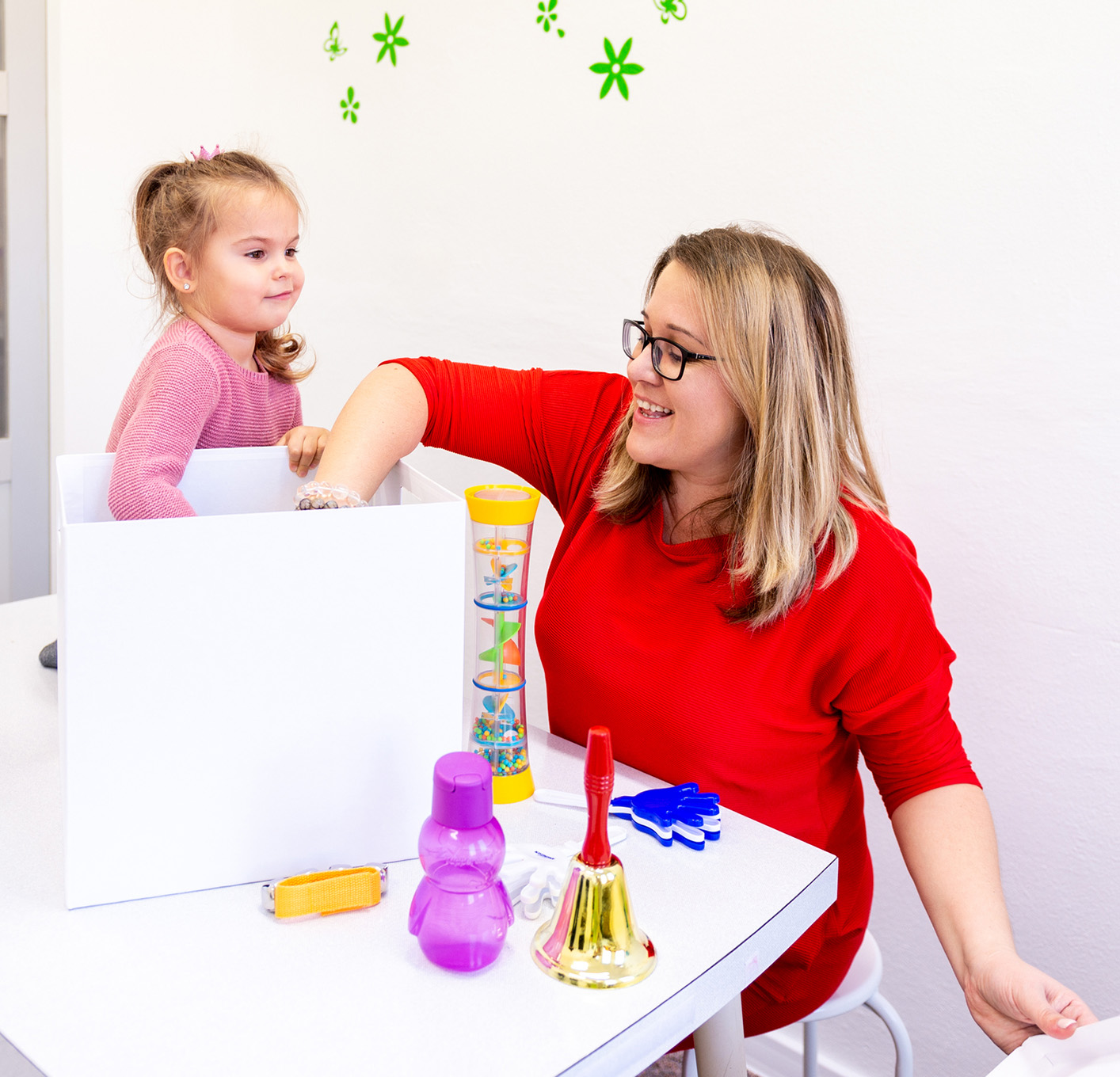
Autism Assessment

What’s involved in an ASD assessment?

At The Middle Path, we respect neurodiversity and understand that no two individuals are the same. That’s why we take a person-centred, highly personalised approach to assessment and diagnosis. 

Our ASD assessment process is comprehensive and generally involves:

Two face-to-face appointments of two hours in length, covering a thorough developmental history, behavioural observation, and clinical interviewing.

A cognitive assessment, which can be helpful for understanding each person’s individual strengths and challenges.

Psychological and behavioural assessments to parents, teachers, or partners of the individual undergoing assessment.

How long does an ASD assessment take?

From the initial session to a finalised report, the process roughly takes four weeks. However, we understand that every person is unique, and our assessment approach is tailored to each patient and their needs, so this timeframe can vary, especially during peak seasons (around November and January).

A professional ASD assessment and diagnosis can be life-changing. It opens doors to therapies and support services that can improve your quality of life and can bring about a sense of understanding and self-acceptance.

Cognitive and Non-Verbal Cognitive Assessments

Melbourne, Berwick | Children, Adolescents, and Adults

Cognitive and non-verbal cognitive assessments provide a structured and evidence-based way of understanding how a person thinks, learns, reasons and processes information. These assessments are commonly used to clarify learning profiles, support diagnostic assessment (e.g., for NDIS), and guide practical recommendations across home, school, study and work settings.

At The Middle Path Psychology Group, Berwick, assessments are conducted with neuro-affirmative care, clinical rigour, and respect for individual differences. The focus is on understanding the whole person. Our clinical psychologist, Daniel, has extensive experience and training in administering and writing reports.

Cognitive (Intellectual) Assessments

A cognitive assessment examines a range of thinking skills that help with learning, problem-solving and everyday functioning. Rather than measuring intelligence in a narrow sense, the assessment builds a detailed profile of cognitive strengths and challenges.

Depending on age and referral needs, this may include assessment of verbal reasoning, non-verbal reasoning, working memory, processing speed and problem-solving abilities. Cognitive assessments are appropriate for children, adolescents and adults, and are commonly used in both educational and clinical contexts.

For many families and adults, the assessment provides clarity around why certain tasks feel harder, and how to better support learning and wellbeing.

Non-Verbal Cognitive Assessments

Non-verbal cognitive assessments measure reasoning and problem-solving skills while minimising reliance on spoken language, reading or written responses. Tasks typically involve visual patterns, puzzles and hands-on problem-solving.

This approach can be particularly helpful when language skills may not accurately reflect cognitive ability, such as for individuals with language delays, bilingual backgrounds, hearing impairments, or when a language-reduced assessment is clinically indicated. Non-verbal assessments help ensure cognitive abilities are evaluated in a way that is fair, accessible and developmentally appropriate.

Why Undertake an Assessment?

Parents and adults seek cognitive and non-verbal assessments for a range of reasons. For children and adolescents, assessments often help clarify learning strengths and challenges, inform educational supports, or contribute to broader diagnostic assessments.

For adults, assessments may assist with understanding long-standing learning or attention difficulties, workplace challenges, or late-identified neurodevelopmental differences. Across the lifespan, assessments are frequently used to support planning, guide accommodations, and provide a clearer framework for next steps.

Our Approach

At The Middle Path Psychology Group, Berwick, assessments are approached with balance, curiosity and integrity. We work from a neuro-affirmative and evidence-based framework, recognising that differences in thinking are part of human diversity.

Whether you are a parent seeking diagnostic clarity for your child, or an adult wanting a deeper understanding of your own cognitive and/or diagnostic profile, our aim is to provide insight that is meaningful, respectful and genuinely useful. If you’re a parent, an adult, or a third party organisation, and looking for a chat regarding an assessment, send us your enquiry (see below).

Family Reports

Family Reports

Family Reports are a critical component of court proceedings and carry significant weight in parenting matters. Report turnaround time is approximately 2-4 weeks. The report is released simultaneously to both parties (or their legal representatives)

Services include:

  • Each parent interviewed separately (up to 2 hours per parent)
  • Children interviewed on two separate occasions, where developmentally appropriate.
  • Parent–child observations conducted with each parent, where safe and appropriate.
  • Psychometric testing conducted for both parents and, if required, for children, and reviewing material.

Relevant court documents agreed upon by both parties must be provided prior to interviews. Following interviews, the report is compiled. Any clarification or additional questions may be addressed by telephone if required, charged at an hourly rate. A 20 percent deposit is required to confirm the booking and appointments. The remaining outstanding amount must be paid at the first interview.

Fees:

  • Family Court Report ($8,000-$8500).
  • Attending court (to read subpoenaed resources), $500 per hour.

Child Impact Reports

(Child Impact Short Form Reports – formerly 11F Reports)

A Child Impact Report is a report outlining key issues affecting the child or children in the matter. This process includes: interviews with both parents and the child/children, observation of parent–child interactions, where appropriate, and the report is released within two weeks of interviews and receipt of payment.

Fees

  • $4,500 – 1 child
  • $4,700 – 2 children
  • $4,900 – 3 children
  • Additional children: $200 per child
Child Impact Reports

Child-Inclusive Mediation

Child-Inclusive Mediation allows the psychologist to bring the voice and developmental needs of the child into the mediation process in a safe, neutral, and developmentally appropriate way.

Process

Individual parent intake sessions (1.5 hours each)

    • Discussion of separation history
    • Parenting concerns
    • Focus on the child’s needs and wellbeing

Child consultation sessions (1–2 sessions)

    • Conducted in a child-friendly, non-stressful environment
    • No pressure to choose between parents
    • Use of play-based and age-appropriate methods to support expression

Attendance at mediation

    • Psychologist represents the child’s voice
    • Provides feedback regarding emotional and developmental needs
    • Assists in developing practical and child-focused parenting arrangements

Fees

(Includes parent intakes, child sessions, and 1–2 hours of mediation attendance)

  • 1 child: $2,000
  • 2 children: $2,400
  • Additional children: $300 per child

Parenting Coordination

Parenting Coordination is a child-focused, post-separation service designed to assist parents to implement and comply with parenting orders or agreements, reduce conflict, and support effective co-parenting.

Role of the Parenting Coordinator

  • Assist parents to interpret and implement parenting orders or parenting plans
  • Address ongoing disputes about day-to-day parenting matters
  • Support communication and reduce conflict
  • Promote child-focused decision-making
  • Where agreed or ordered, make limited determinations within the scope of authority

Fees

  • Initial intake (per parent): $350
  • Ongoing Parenting Coordination: $300 per hour
  • Minimum block: 2 hours
  • Fees may be shared between parents unless otherwise agreed or ordered

Angeline May
Registered Psychologist & Family Report Writer

I am a registered psychologist with eight years of clinical experience working with children, adolescents, adults, and families in Melbourne, Victoria. I have undertaken specialist training to work within the family law system as a Single Expert Witness, and I provide Family Reports and Child Impact Statements in private matters before the Federal Circuit and Family Court of Australia (FCFCOA). My practice is grounded in evidence-based psychological assessment, trauma-informed care, and a child-focused framework, ensuring that the best interests of the child remain central to every report I prepare.

High-conflict separation and post-separation disputes

Relocation matters

Parental mental health concerns

Child wellbeing and developmental needs

I accept and consider referrals from family lawyers, independent children’s lawyers (ICLs), mediators, and private parties seeking timely, independent, and high-quality expert reports to support resolution and judicial decision-making.

To enquire about availability or request further information: